Revenue Cycle Performance After an EHR Go-Live: A Practical Plan
6 min read Improving revenue cycle performance after an EHR go-live is essential for healthcare organizations aiming to optimize their financial health…
Read More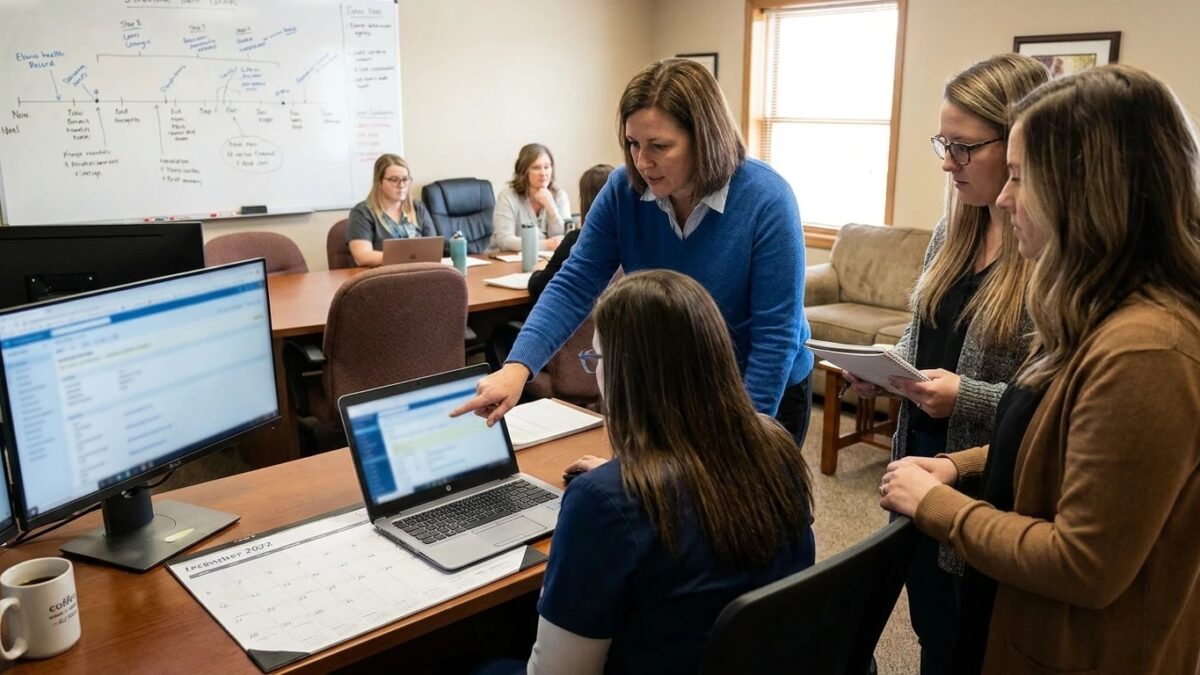
5 min read
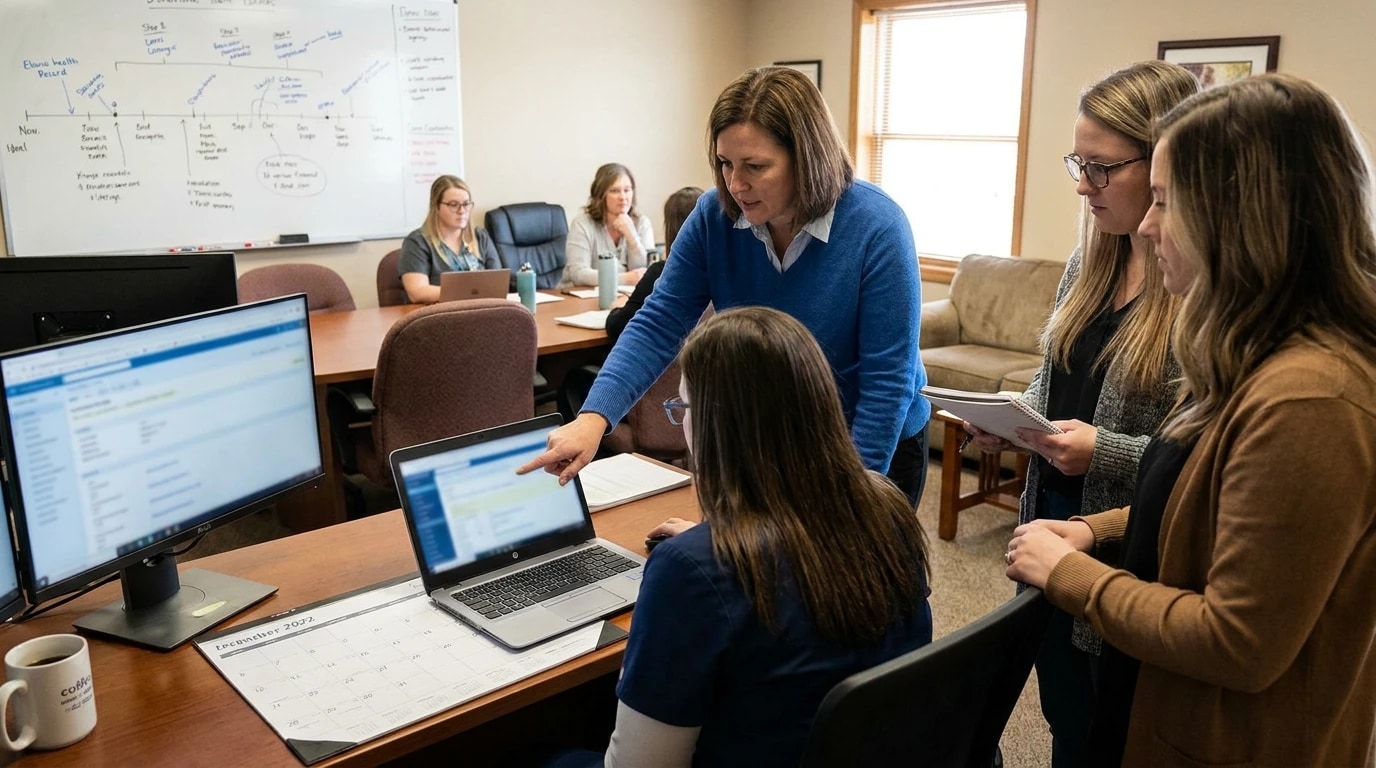
Preparing clinical staff for EHR training through role-based learning plans is essential for ensuring that every team member is equipped with the necessary skills to utilize these systems effectively. By tailoring training to specific roles within your organization, we can enhance engagement and retention, leading to seamless EHR adoption.
As our clients embark on their journey towards effective EHR implementation, it becomes imperative to recognize that one-size-fits-all training approaches often fall short. Instead, we advocate for a structured, role-based learning plan that caters to the unique responsibilities and workflows of each staff member. This targeted approach not only facilitates a deeper understanding of the EHR system but also fosters a culture of accountability and competence within the clinical environment.
Role-based learning plans are crucial because they align training with the specific duties and tasks of clinical staff, ensuring that each individual receives the most relevant information. For instance:
By customizing training content, our clients can maximize the effectiveness of their EHR systems, ultimately leading to improved patient care and operational efficiency.
The first step in creating effective role-based learning plans is to clearly identify the various roles within your organization and their associated responsibilities. This process involves engaging with team leaders and staff members to understand their daily tasks and how they interact with the EHR system. For example:
By mapping out these roles, we can develop targeted training modules that address the specific needs of each group.
Once we have identified the roles and responsibilities of clinical staff, the next step is to develop tailored training content that aligns with their specific needs. This content should encompass both theoretical knowledge and practical skills, ensuring that staff members can navigate the EHR system confidently. For instance:
This blend of learning methods caters to diverse learning styles and enhances knowledge retention.
Implementing effective training strategies is essential for ensuring that role-based learning plans are successful. Our clients often benefit from a combination of:
For example, we might conduct initial training workshops to introduce the EHR system, followed by regular refresher courses and access to an online knowledge base. Additionally, incorporating real-world scenarios and case studies into training sessions allows staff to see the practical application of their learning, further solidifying their understanding.
To ensure that role-based learning plans are effective, it is vital to measure training outcomes and gather feedback from participants. This can be achieved through:
For instance, we might conduct pre- and post-training assessments to gauge knowledge retention and identify areas for improvement. By analyzing this data, our clients can refine their training programs and make necessary adjustments to enhance the learning experience for their staff.
Ongoing support and continuous learning are integral components of successful EHR training programs. As our clients navigate the complexities of EHR systems, it is essential to provide staff with access to resources and assistance even after the initial training has concluded. This may include:
By fostering a culture of continuous learning, organizations can ensure that their staff remains proficient in utilizing the EHR system effectively.
In conclusion, preparing clinical staff for EHR training through role-based learning plans is a strategic approach that enhances engagement, retention, and overall system utilization. By tailoring training to the unique responsibilities of each staff member, our clients can ensure that their teams are well-equipped to leverage EHR systems effectively, ultimately leading to improved patient outcomes and operational efficiency. We invite you to get in touch with us to discuss how we can assist your organization in developing and implementing effective role-based learning plans that stick.
For more on EHR training, read our EHR implementation guide and our comprehensive implementation overview. You can also review HealthIT.gov.
A role-based learning plan is a training approach that tailors educational content to the specific responsibilities and workflows of different staff members within an organization, ensuring that each individual receives relevant training for their role.
Role-based training is important for EHR systems because it ensures that staff members are equipped with the knowledge and skills necessary to perform their specific tasks efficiently, leading to improved system utilization and better patient care.
The effectiveness of EHR training can be measured through assessments, surveys, and performance evaluations, allowing organizations to gauge knowledge retention and identify areas for improvement.
After initial EHR training, organizations should provide ongoing support through refresher courses, access to online resources, user groups, and forums where staff can share best practices and troubleshoot challenges.
To develop tailored training content, organizations should identify the specific roles and responsibilities of their staff, engage with team leaders to understand workflows, and create training modules that address the unique needs of each group.

6 min read Improving revenue cycle performance after an EHR go-live is essential for healthcare organizations aiming to optimize their financial health…
Read More
4 min read An AI governance committee is a cross-functional group that decides which clinical AI tools a healthcare organization adopts, how…
Read More
6 min read Understanding the total cost of ownership (TCO) for EHR systems is crucial for healthcare organizations aiming to make informed…
Read MoreJoxel offers experienced, expert assistance throughout every phase of your journey. Reach out to start the conversation.